
Trade
Both economies are central to global climate action. We monitor renewable energy partnerships, emissions commitments, and how climate policy shapes broader relations.

Coverage
We monitor the EU–India relationship across distinct policy domains. Each area demands its own rigor, its own sources, its own way of seeing what matters.
Both economies are central to global climate action. We monitor renewable energy partnerships, emissions commitments, and how climate policy shapes broader relations.
Digital sovereignty, AI regulation, and data flows define modern statecraft. We examine how the EU and India navigate competing visions of the digital future.
The EU–India corridor sits at the intersection of competing powers. We track alignment, divergence, and the calculus of strategic autonomy for both sides.
Placeholder text — add your security framing here (defence cooperation, Indo-Pacific posture, cyber, etc.).
Placeholder text — add your fifth pillar (industry policy, standards, supply chains, innovation, etc.).
Research
Rigorous research from our team of analysts.
 EU–India Watch
Beyond market access: the FTA as a blueprint for standards, technology, and economic security
 EU–India Watch
 EU–India Watch
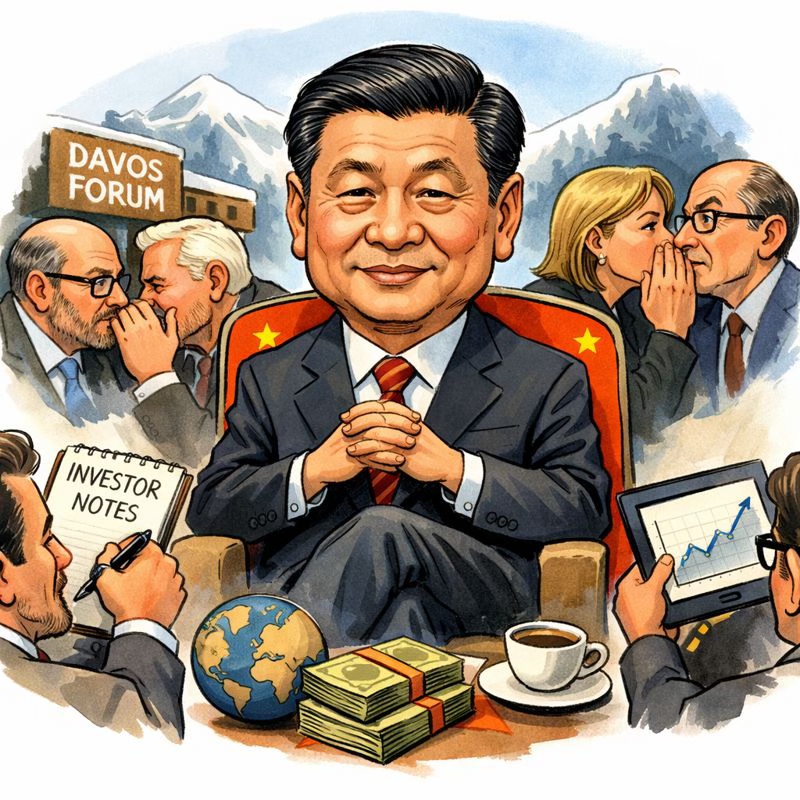
On-ground investor signals from Davos suggest China is back in serious allocation discussions
 EU–India Watch
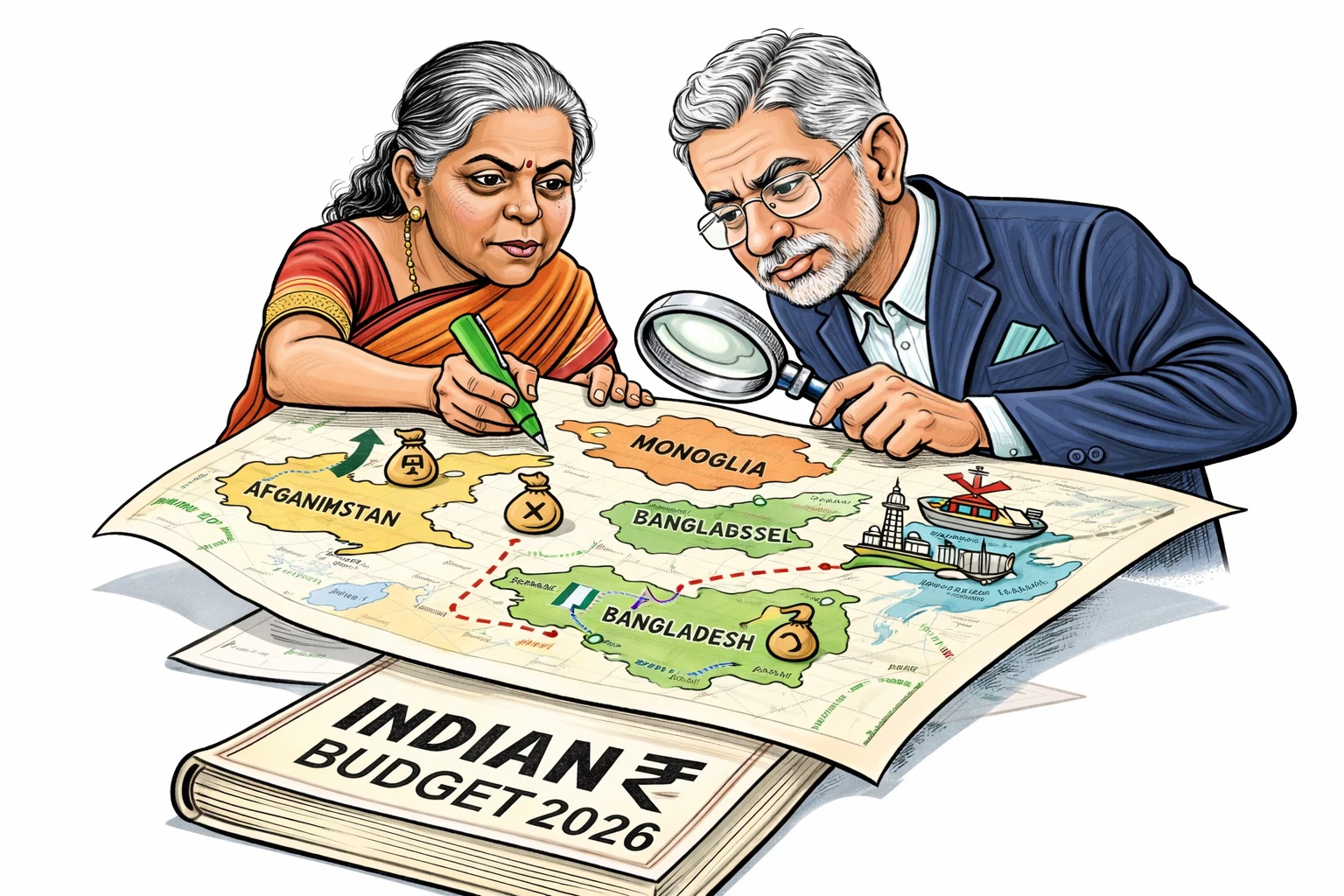
Where India Is Leaning In — and Where It’s Stepping Back: What the 2026 Budget Numbers Reveal About New Strategic Priorities
Updates
The latest from the EU–India corridor.
 Instagram
Short updates, visuals, and quick takes from The EU–India Watch — straight from Instagram.

Scale
Goods trade alone reached around €120 billion in 2024. The partnership is supported by dozens of sectoral dialogues and working groups spanning trade, tech, security, and climate. India’s 2030 non-fossil capacity target signals the scale of the energy transition shaping shared priorities.
Tip: Keep a “Year + Source” line under each figure so the numbers are easy to verify and update.
Get analysis and intelligence delivered to your inbox weekly.

Questions about the platform, our approach, and how to engage.